
Have you ever wondered if a simple cardboard box holds more value to a toddler than the expensive toy inside it? Children possess a unique ability to transform mundane objects into magical realms, turning a living room into a vast kingdom. This natural inclination toward make-believe is not just a way to pass time; it is a vital tool that helps kids navigate their complex world.
Engaging in these creative scenarios allows youngsters to process daily experiences while expressing emotions in a safe, joyful environment. By prioritizing such activities, parents provide a foundational gift that enriches a child’s development throughout their early years. When we encourage this type of interaction, we unlock new pathways for cognitive and social success.
Key Takeaways
- Make-believe acts as a primary method for children to explore their surroundings.
- Creative scenarios help kids process complex emotions in a healthy way.
- Simple household items often spark more creativity than complex store-bought toys.
- Supporting these activities builds essential life skills like empathy and problem-solving.
- Prioritizing creative time fosters a stronger bond between parents and their children.
Introduction to Imaginative Play
Long before modern psychology, ancient thinkers recognized that play is the primary language of childhood. Philosophers like Plato and Aristotle touted the significance of play in childhood development, viewing it as a vital activity for young minds. They understood that through these early experiences, children begin to map out the complexities of the world.
Defining Imaginative Play
Imaginative play is a dynamic process where children step into roles, create scenarios, and explore possibilities beyond their immediate reality. It is not merely a pastime; it is a foundational tool that evolves as children grow and interact with their environment. This type of engagement allows kids to test ideas and practice social interactions in a safe, controlled space.
As children mature, their play becomes more complex and structured. What starts as simple mimicry eventually transforms into elaborate storytelling and collaborative problem-solving. This evolution is a clear indicator of a healthy, developing brain.
Importance in Early Childhood
The role of play in child’s growth cannot be overstated, as it serves as a primary building block for social and emotional maturity. By observing children during these moments, caregivers gain deep insights into how their little ones process feelings and relate to others. This observation is essential for supporting their unique developmental needs.
When children engage in pretend scenarios, they learn to navigate empathy and cooperation. These interactions help them build the resilience needed to handle real-world challenges later in life. Ultimately, fostering this type of play is one of the most effective ways to support overall childhood development.
Cognitive Development Through Play
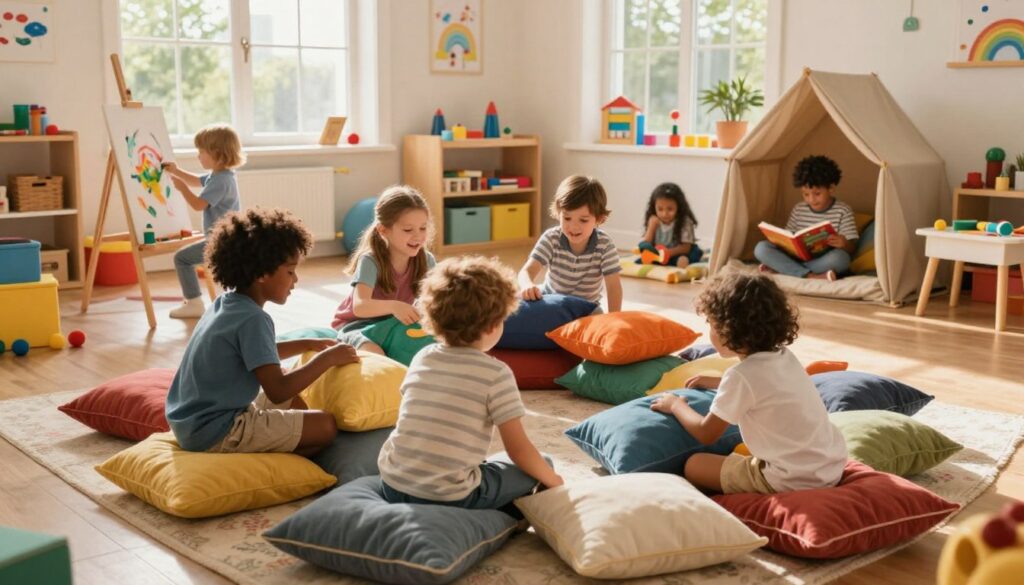
Imaginative play is far more than just fun; it is a sophisticated training ground for the developing brain. By stepping into different roles, children actively participate in their own childhood development. This process serves as a primary driver for imaginative play for cognitive development, allowing young minds to test theories and understand the world around them.
Enhancing Problem-Solving Skills
When children engage in pretend scenarios, they frequently encounter obstacles that require logical solutions. Whether they are building a fort or organizing a pretend store, they must navigate challenges that sharpen their critical thinking skills in children. This mental exercise teaches them to evaluate options and choose the best path forward.
These experiences help children move beyond simple rules. They learn to adapt to changing circumstances by adjusting their strategies in real-time. This flexibility is a crucial component of higher-level cognitive function that will serve them well throughout their academic lives.
Boosting Creativity and Innovation
Creative exploration allows children to experiment with new ideas without the fear of failure. Tools like the Play-Doh Kitchen Creations Pizza Oven Playset provide a tactile way to practice fine motor skills while fostering creative play benefits. By molding and designing their own culinary creations, children learn to turn abstract concepts into physical reality.
This type of hands-on activity encourages children to think outside the box. They are not just following instructions; they are innovating and building unique scenarios that reflect their personal interests. Such freedom is essential for developing the confidence needed to tackle complex tasks in the future.
Emotional Benefits of Imaginative Play
Creative play benefits extend far beyond the surface, acting as a powerful tool for internal emotional regulation. When children step into different roles, they gain a unique perspective on the world around them. This process helps them build a foundation for healthy emotional intelligence that lasts a lifetime.
Building Empathy and Social Skills
Pretend play acts as a safe training ground where children practice complex social interactions. By stepping into the shoes of another character, they learn to consider feelings that are different from their own. This practice is essential for developing genuine empathy and understanding.
Through group play, children naturally encounter situations that require teamwork. They learn to navigate the following social milestones:
- Negotiation: Deciding who plays which role in a story.
- Cooperation: Working together to build a pretend fort or kitchen.
- Conflict Resolution: Finding fair solutions when disagreements arise during a game.
Managing Emotions Through Role Play
Role-playing allows children to process their daily experiences in a secure environment. By acting out scenarios that might feel overwhelming in real life, they gain a sense of control. This form of creative play benefits the child by acting as a natural stress reliever, allowing them to express fears or frustrations without judgment.
| Emotional Skill | How Play Helps | Outcome |
|---|---|---|
| Self-Regulation | Practicing calm responses | Better impulse control |
| Empathy | Taking on new perspectives | Stronger peer bonds |
| Stress Relief | Escaping daily pressures | Improved mental well-being |
Ultimately, when children engage in imaginative scenarios, they are doing much more than just having fun. They are strengthening their emotional resilience and learning how to interact with the world in a meaningful way. Providing space for this type of play is one of the best gifts a parent can offer.
Physical Development and Play
Beyond the mental benefits, play serves as a vital engine for physical growth. When children engage in various activities, they naturally strengthen their muscles and improve their overall health. Understanding the role of play in child’s growth is essential for parents who want to support their child’s physical journey.
Fine and Gross Motor Skills
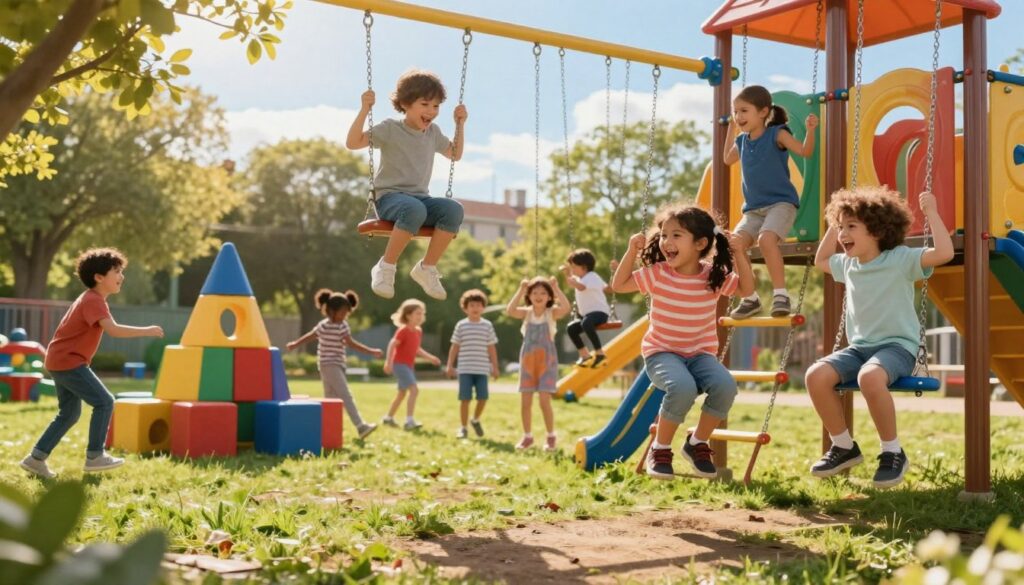
Physical play is divided into two main categories that help children master their bodies. Gross motor skills involve large muscle movements, such as running, jumping, climbing, and throwing a ball. These activities are crucial for building stamina and core strength.
On the other hand, fine motor skills focus on smaller, more precise movements. Tasks like drawing, threading beads, or building with small blocks require hand-eye coordination and dexterity. Both types of movement are critical for long-term health and physical confidence.
Active Play and Coordination
Active play is an effective way for children to burn off excess energy while developing better balance. When kids participate in regular physical activity, they naturally refine their coordination and spatial awareness. This consistent movement is a key factor in the role of play in child’s growth and development.
Encouraging a variety of active games helps combat childhood obesity by keeping children moving throughout the day. By making exercise feel like a fun adventure, parents can foster a lifelong appreciation for physical movement. These habits create a strong foundation for a healthy and active lifestyle as they grow older.
Using Imaginative Play for Educational Purposes
Imaginative play serves as a powerful bridge between natural curiosity and academic readiness. When children engage in these activities, they are not just having fun; they are actively building the mental frameworks necessary for future success. Incorporating educational play activities into a daily routine helps turn simple moments into valuable lessons.
Integrating Learning into Playtime
Parents and educators can easily weave academic concepts into everyday scenarios. By asking open-ended questions during a game, you encourage children to think critically and solve problems on their own. This approach supports imaginative play for cognitive development by challenging young minds to analyze their surroundings.
For example, setting up a pretend grocery store allows children to practice basic math and categorization. They learn to group items by type, color, or size, which strengthens their spatial reasoning. These small, intentional interactions provide a solid foundation for later school subjects like science and mathematics.
Educational Toys and Their Impact
Choosing the right tools can significantly enhance the quality of a child’s playtime. High-quality toys act as catalysts for deeper learning and meaningful conversation. A great example is the Melissa and Doug Toy Food Groups set, which is perfect for teaching children about nutrition.
Using this set, you can guide discussions about healthy eating habits and the importance of a balanced diet. Children learn to identify different food categories while developing their vocabulary and social communication skills. Educational play activities like these ensure that children remain engaged while absorbing important life lessons.
Ultimately, the goal is to provide resources that spark curiosity and foster a love for discovery. By prioritizing imaginative play for cognitive development, you help children build the confidence they need to excel in a classroom setting. Thoughtful play is truly the most effective way to prepare a child for the challenges of the future.
Parental Involvement in Imaginative Play
Fostering imagination in kids starts with the environment you build at home. When parents provide the right tools and a supportive atmosphere, children feel empowered to explore their inner worlds. Your presence acts as a gentle guide that turns ordinary moments into extraordinary adventures.
Creating an Engaging Environment
You do not need expensive toys to build a creative sanctuary. Instead, focus on providing open-ended materials like cardboard boxes, fabric scraps, or recycled containers. These simple items allow children to transform their surroundings into anything from a spaceship to a cozy castle.
Consider making regular trips to the local library to spark new interests. When you introduce books about different cultures, professions, or fantasy worlds, you provide fresh fuel for their pretend play. This simple habit helps in fostering imagination in kids by expanding their knowledge base and vocabulary.
Tips for Encouraging Play at Home
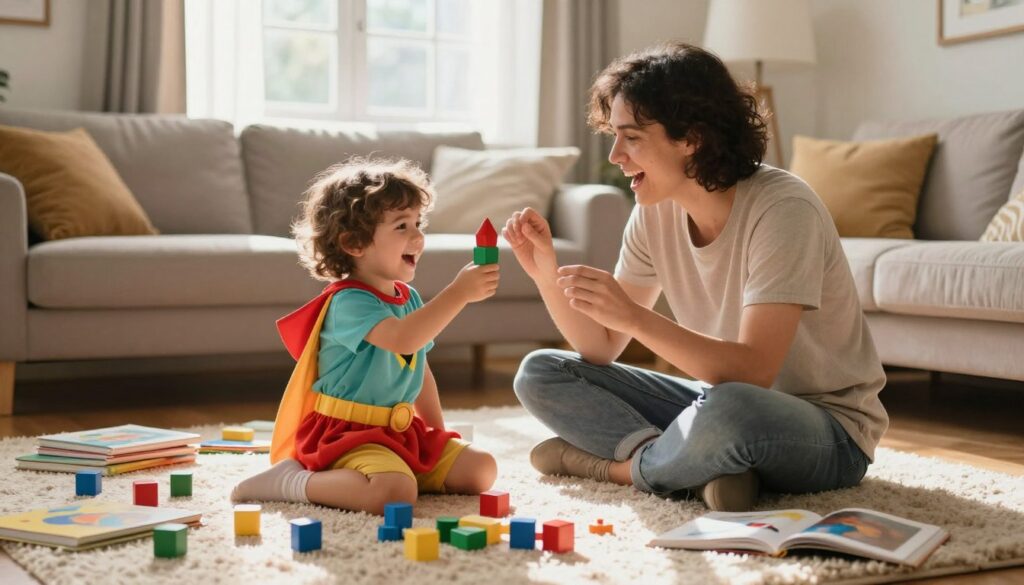
The most effective way to support your child is to join them in their play. By stepping into their world, you show that you value their ideas and creativity. Here are a few ways to enhance these interactions:
- Engage in back-and-forth conversations: Ask open-ended questions like, “What happens next in our story?” to keep the momentum going.
- Follow their lead: Let your child take the role of the director while you support their vision.
- Create lasting memories: Dedicate specific times during the week where you put away distractions and focus entirely on shared imaginative play.
Remember that your goal is not to control the narrative but to enrich the experience. When you play alongside your child, you build a stronger emotional bond. These small, consistent efforts create a foundation for lifelong learning and creative thinking.
The Role of Technology in Imaginative Play
Navigating the intersection of screens and traditional play is a common challenge for today’s families. While digital devices are ubiquitous, they should serve as a supplement to, rather than a replacement for, hands-on discovery. Integrating educational play activities helps ensure that children maintain a healthy connection to the physical world.
Balancing Digital and Traditional Play
It is vital to set clear boundaries regarding screen time to protect the quality of a child’s development. When children spend too much time on tablets, they miss out on the tactile benefits of building blocks, drawing, or outdoor exploration. Active play remains the gold standard for fostering creativity and physical coordination.
“The best toys are those that require a child to do the work, not the toy.”
Parents can encourage a healthy mix by designating “tech-free” zones in the home. This simple strategy allows kids to focus on educational play activities that stimulate their imagination without digital distractions. By prioritizing physical toys, you provide the foundation for deep, sustained concentration.
Interactive Apps and Learning
Technology can be a powerful ally when used with intention and purpose. Some modern toys incorporate lights and sounds to enhance storytelling, which can spark new ideas during pretend play. These tools are most effective when they invite the child to lead the narrative rather than passively watching a screen.
When selecting digital content, look for programs that promote problem-solving and critical thinking. High-quality educational play activities often bridge the gap between virtual concepts and real-world application. Consider these guidelines for choosing digital tools:
- Interactive Engagement: Choose apps that require active input rather than passive viewing.
- Creative Freedom: Prioritize platforms that allow children to build, design, or compose.
- Shared Experience: Use technology as a way to play together, rather than as a solo activity.
Ultimately, the goal is to use technology to enrich the imaginative process. By keeping the focus on active exploration, you ensure that your child gains the best of both worlds.
The Impact of Group Play on Childhood Growth
Group play serves as a vibrant laboratory where children test their social boundaries and build lasting connections. When kids step into a shared imaginative world, they move beyond their own needs to consider the perspectives of others. This transition is essential for healthy development during the formative years.
Promoting Teamwork and Collaboration
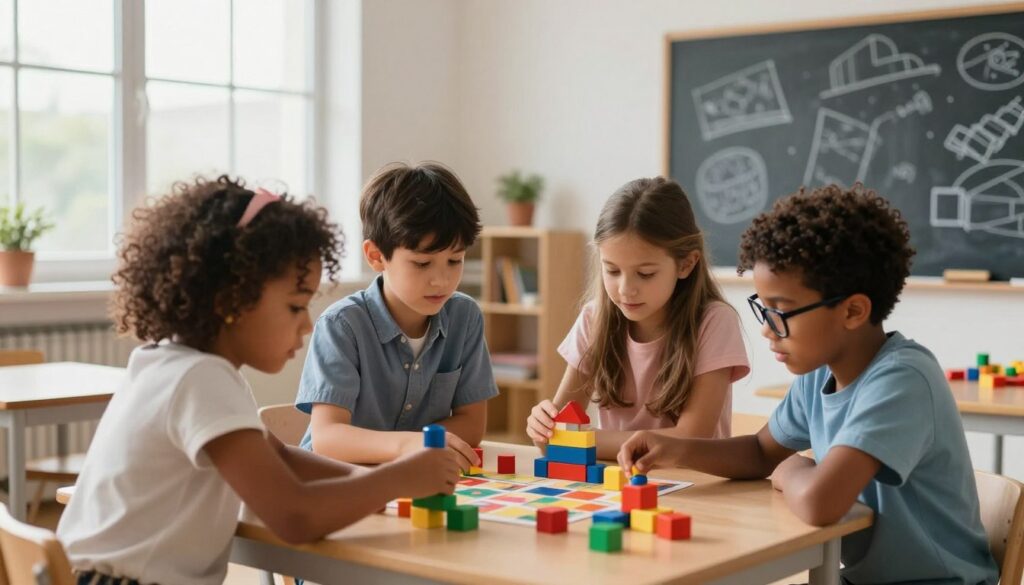
Working together on a shared project, such as building a fort or acting out a story, requires constant negotiation. Children must learn to communicate their ideas clearly while listening to the suggestions of their friends. This process naturally fosters teamwork and helps them understand the value of collective effort.
By sharing limited resources like blocks or costumes, children practice patience and compromise. These small acts of cooperation lay the groundwork for future success in school and professional environments. They learn that collaboration often leads to more creative outcomes than working alone.
Learning Through Peer Interaction
Peer interaction provides a unique space for children to refine their social awareness. As they navigate the ups and downs of play, they begin to interpret the emotions of their friends with greater accuracy. This emotional intelligence is closely linked to the development of critical thinking skills in children, as they must constantly evaluate how their actions affect the group dynamic.
“Play is the highest form of research.”
When conflicts arise, children are forced to use their critical thinking skills in children to find fair solutions. Instead of relying on adults to intervene, they learn to negotiate rules and resolve disagreements independently. This autonomy builds confidence and resilience in young learners.
| Feature | Solitary Play | Group Play |
|---|---|---|
| Social Focus | Self-directed | Collaborative |
| Conflict | Minimal | Frequent/Educational |
| Skill Gain | Focus/Creativity | Empathy/Teamwork |
Ultimately, the social lessons learned during group play are just as important as academic achievements. By engaging with peers, children gain the tools necessary to navigate a complex world with empathy and confidence.
Cultural Influences on Imaginary Play
Understanding the background of a child is a vital step in fostering imagination in kids. Play is not just a random activity; it is a reflection of the values, stories, and traditions that a child observes in their daily life. By recognizing these influences, caregivers can better support the unique ways children express their creativity.
How Culture Shapes Play
In many American Indian and Alaska Native cultures, the concept of being a “good relative” serves as a beautiful foundation for social development. This mindset teaches children to treat others, the land, and all living creatures with deep care and respect. When children incorporate these values into their pretend play, they learn to see themselves as vital members of a larger community.
This cultural framework encourages children to act with empathy and responsibility during their games. Whether they are pretending to care for a garden or role-playing as a protector of nature, they are practicing the essential skills of kindness. Fostering imagination in kids through these cultural lenses helps them build a strong sense of identity and belonging.
Diverse Perspectives on Imaginative Play
Every family brings a unique set of stories and traditions to the table. When we invite these diverse perspectives into the play area, we create a richer environment for growth. Using home languages and sharing cultural folktales can make playtime feel more personal and meaningful for every child.
There are several ways to ensure that play remains inclusive and culturally responsive:
- Incorporate storytelling: Use traditional tales from various cultures to inspire new role-play scenarios.
- Celebrate diversity: Provide toys and books that reflect different backgrounds and traditions.
- Value home languages: Encourage children to use their native language during imaginative play to boost confidence.
- Respect local traditions: Integrate local customs into daily activities to help children connect with their community.
By embracing these diverse viewpoints, we are effectively fostering imagination in kids while teaching them to value the world around them. This inclusive approach ensures that every child feels seen, heard, and empowered to explore their own creative potential.
Conclusion: Embracing Imaginative Play
The journey of discovery begins the moment a child picks up a toy or imagines a new world. By prioritizing these creative experiences, parents and educators provide a vital foundation for childhood development. This approach prepares young minds to navigate the complexities of the modern world with confidence.
Encouraging Lifelong Learning and Growth
The endless possibilities of imaginative play for childhood growth and learning extend far beyond the playroom. Children who engage in open-ended activities develop the resilience needed to face future challenges. This mindset fosters a spirit of inquiry that lasts well into adulthood.
Final Thoughts on the Power of Play
Focusing on enhancing learning through play creates a bridge between curiosity and academic success. Brands like LEGO and Melissa & Doug offer tools that support this natural drive to explore. Every moment spent in creative activity builds the skills necessary to thrive in the 21st century. Children remain curious and innovative when adults value the simple act of play.