
Have you ever wondered if a simple physical space could fundamentally change the way your child views the world? In our fast-paced digital era, finding moments of genuine connection can feel like an uphill battle. Transforming a small nook into a dedicated reading sanctuary offers your family a quiet escape from daily distractions.
Establishing this environment serves as a powerful tool for child development. It fosters a lifelong love of literature while providing a cozy retreat for shared family memories. By curating this special area, you provide the foundation for imagination to flourish beyond screens.
Key Takeaways
- Dedicated reading spaces significantly boost early literacy skills.
- A quiet nook acts as a vital sanctuary from digital overstimulation.
- Shared reading time strengthens the emotional bond between parent and child.
- Simple design choices can turn any unused space into an inviting literary retreat.
- Consistent access to books encourages independent exploration and curiosity.
Why a Storytelling Corner is Essential for Kids
Transforming a small corner into a literary sanctuary can change how your child views reading forever. By providing a dedicated space, you signal that stories are a priority in your household. This simple act helps children develop a positive association with books from a very young age.
When you explore various storytelling corner design ideas, you are doing more than just picking out furniture. You are creating a physical anchor for literacy and language acquisition. This quiet zone allows children to decompress, helping them transition smoothly between high-energy play and rest.
Benefits of Storytelling for Child Development
Reading with children is proven to benefit little ones enormously by expanding their vocabulary and comprehension skills. A consistent reading environment fosters a sense of security and routine. Many parents find that children’s reading nook decorations help make this space feel inviting and personal.
These nooks serve as a foundation for a child’s early learning journey. They provide a quiet refuge where kids can focus on the rhythm of language without distractions. This environment is essential for building the concentration needed for future academic success.
Encouraging Imagination and Creativity
Beyond basic literacy, these spaces act as a launchpad for the imagination. When children retreat to their own special area, they are free to explore complex ideas and creative problem-solving. Critical thinking flourishes when kids are encouraged to engage with stories in a comfortable, safe setting.
Thoughtful storytelling corner design ideas can inspire children to invent their own narratives. By adding interactive elements, you turn a passive activity into an active, creative process. This helps them develop the confidence to express their own unique voice.
| Developmental Area | Impact of Reading Nook | Key Outcome |
|---|---|---|
| Language Skills | Increased exposure to vocabulary | Better verbal communication |
| Emotional Growth | Provides a calming environment | Improved self-regulation |
| Cognitive Ability | Nurtures critical thinking | Enhanced problem-solving |
Ultimately, the right children’s reading nook decorations create a magical atmosphere that invites curiosity. When you invest time in this space, you are nurturing a lifelong love for learning. Every book read in this corner builds a bridge to a brighter, more creative future.
Choosing the Perfect Location in Your Home
Transforming a small area into a cozy retreat starts with picking the perfect corner of your home. When you explore various storytelling corner design ideas, remember that the environment plays a huge role in how children engage with stories. A quiet, dedicated space helps them focus and fosters a deeper love for reading.
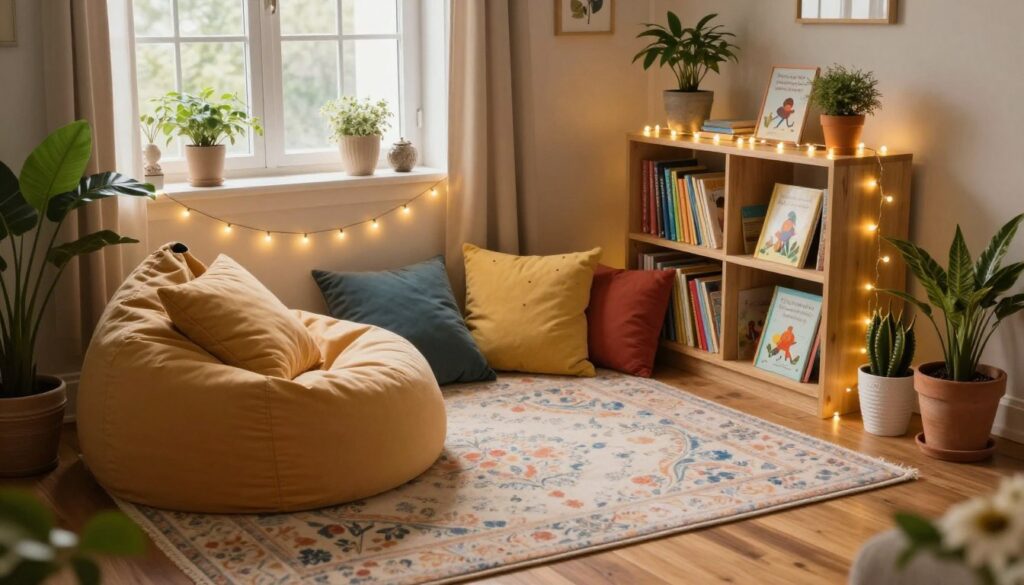
Ideal Spaces for a Storytelling Corner
The best locations are often tucked away from the hustle and bustle of daily life. Look for unused alcoves, a quiet corner in the bedroom, or even a small space under a staircase. These spots naturally feel like a secret sanctuary for your little ones.
Try to avoid high-traffic zones like the living room near the television or gaming consoles. Keeping the area separate from noisy electronics ensures that the space remains a peaceful retreat. Consider these factors when scouting your home:
- Quiet zones: Areas away from loud household appliances.
- Natural light: Spots near windows that offer soft, ambient glow.
- Defined boundaries: Corners that provide a sense of enclosure and safety.
Considerations for Comfort and Accessibility
Once you identify a potential spot, you must ensure it remains comfortable throughout the year. One of the most important magical storytelling corner essentials is protecting your child from environmental discomforts. Always keep the nook away from direct entrances or exits to avoid cold drafts that might disrupt their focus.
Accessibility is just as vital as comfort. You want your child to feel empowered to pick up a book whenever they choose. Ensure the location is easy to reach and allows for enough floor space to spread out with pillows or blankets. By prioritizing these elements, you create a warm, inviting environment that encourages endless imagination.
Setting the Mood with Lighting
Lighting is the secret ingredient that turns a simple corner into a magical storytelling escape. By adjusting the glow in your space, you signal to your child that it is time to slow down and enter a world of imagination. Thoughtful illumination transforms a standard room into a cozy sanctuary for young readers.
Types of Lighting to Use
To achieve the best results, consider layering different light sources. Warm-toned LED lamps provide excellent task lighting for reading while keeping the environment soft and inviting. You might also incorporate string lights or battery-operated lanterns to add a touch of whimsy to your setup.
When you look for DIY storytelling corner tips, remember that flexibility is key. Using a dimmer switch allows you to transition from bright afternoon reading to a soft, evening glow. This versatility ensures your space remains functional throughout the day.
How to Create a Cozy Atmosphere
Creating a “Hygge” atmosphere is all about comfort and contentment. Soft, golden light helps children feel secure and relaxed, which encourages them to spend more time with their books. You can easily enhance your children’s reading nook decorations by tucking fairy lights behind sheer curtains or inside glass jars.
The following table helps you choose the right lighting style for your specific needs:
| Lighting Type | Best Use Case | Atmosphere Created |
|---|---|---|
| Warm LED Lamps | Focused reading | Cozy and clear |
| Fairy Lights | Decorative accents | Magical and soft |
| Dimmable Bulbs | Versatile sessions | Relaxed and calm |
Always prioritize safety by using cool-to-the-touch bulbs and securing all cords out of reach. A well-lit corner is not just about aesthetics; it is about creating a welcoming environment where stories come to life. With these simple adjustments, your reading nook will become the most cherished spot in your home.
Selecting the Right Furniture
Your choice of furniture serves as the foundation for all your magical storytelling corner essentials. By balancing comfort with functional design, you create a space that invites children to settle in and explore new worlds. Thoughtful furniture choices ensure that your reading nook remains a tidy, peaceful retreat for everyone involved.
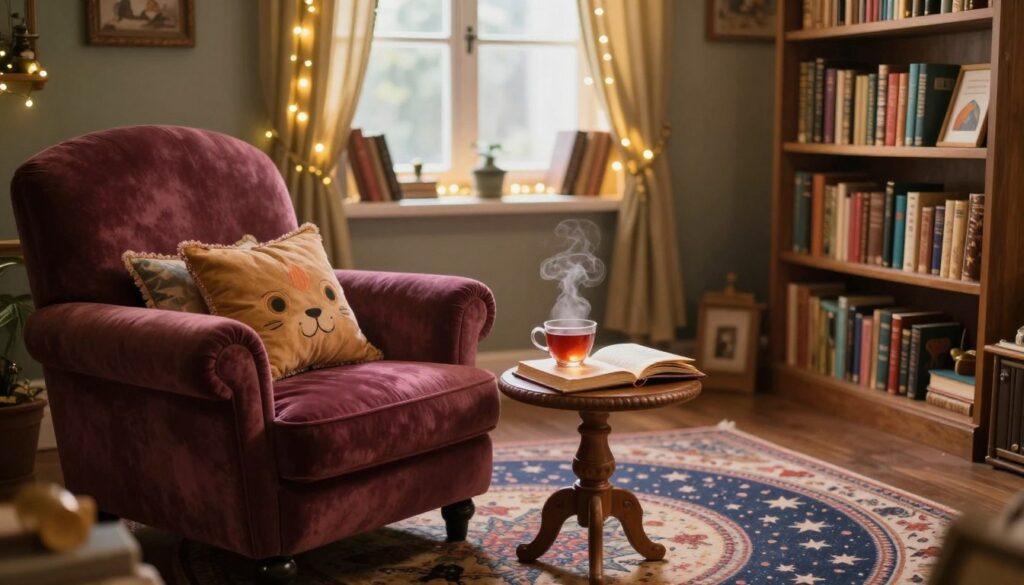
Comfortable Seating Options
The best seating options are those that encourage children to linger and get lost in a good book. Soft beanbags or plush floor cushions are excellent choices because they adapt to a child’s body and provide a relaxed environment. If you prefer a more structured look, consider small, child-sized armchairs that offer back support during longer reading sessions.
When applying these DIY storytelling corner tips, remember that comfort is subjective. Some children prefer a cozy rug with oversized pillows, while others enjoy a dedicated chair. Providing a mix of textures and seating styles allows your child to choose what feels best for their current mood.
| Seating Type | Best For | Space Efficiency |
|---|---|---|
| Beanbags | Casual lounging | High |
| Floor Cushions | Group reading | Very High |
| Small Armchairs | Focused reading | Low |
Storage Ideas for Books and Props
Keeping your area organized is vital for maintaining a calm atmosphere. You can maximize your floor space by using furniture that doubles as storage, such as ottomans with hidden compartments or benches with built-in drawers. These pieces are perfect for tucking away extra blankets or small props when they are not in use.
Another effective strategy involves using low-profile bookcases that feature integrated toy trays. This keeps books at eye level for your little ones while ensuring that related storytelling materials stay within reach. By keeping the area clutter-free, you ensure that the focus remains entirely on the stories being shared, making your setup one of the most practical DIY storytelling corner tips for any home.
Creating an Engaging Backdrop
Transforming a plain corner into a magical portal requires more than just books. By focusing on the visual environment, you are creating a cozy reading nook that sparks curiosity before a single page is turned. A well-designed backdrop helps children feel like they have stepped into their favorite tales.
Wall Decorations to Inspire Storytelling
The walls serve as the canvas for your child’s imagination. You can bring stories to life by incorporating thematic elements that reflect their current interests. For instance, if your child loves the book Room on the Broom, consider hanging a small, decorative cauldron or a felt witch’s hat on the wall.
These whimsical home design concepts allow kids to interact with their favorite characters physically. Using wall decals or framed illustrations can also anchor the space in a specific narrative world. This approach makes the area feel distinct and special compared to the rest of the house.
Using Fabrics and Textures Effectively
Soft textures are essential for building a sense of enclosure and safety. Draping sheer fabrics from the ceiling or using an indoor tent creates a private sanctuary where children feel secure. These layers add depth to the room and help block out distractions from the outside world.
Mixing different materials like plush rugs, velvet cushions, and cotton canopies enhances the sensory experience. When you are creating a cozy reading nook, these tactile elements invite children to settle in for longer periods. By applying these whimsical home design concepts, you ensure the space remains a welcoming retreat for every storytelling session.
Adding Books and Story Materials
When you curate the right materials, you transform a simple corner into a gateway for adventure. By creating a cozy reading nook, you provide a sanctuary where stories come to life through carefully selected literature and tactile tools.
Curating a Diverse Book Collection
A vibrant library should reflect a wide range of cultures, genres, and artistic styles. Variety is the spice of storytelling, so try to include picture books, early readers, and even wordless books that invite children to narrate their own versions of the plot.
To keep the experience fresh, rotate your book selection every few weeks. This simple habit prevents boredom and ensures that your child always finds something new and exciting to explore during their quiet time.

Incorporating Non-Book Storytelling Aids
Beyond traditional pages, you can enhance the narrative experience with interactive props. Story sacks, which contain small toys or items related to a specific book, help children visualize the plot and engage their senses.
Hand puppets or felt board characters are excellent additions to your whimsical home design concepts. These tools allow children to act out scenes, which builds confidence and improves their verbal communication skills.
“A book is a dream that you hold in your hand.”
The following table highlights how different materials contribute to a well-rounded storytelling environment for your little ones.
| Material Type | Primary Benefit | Engagement Level |
|---|---|---|
| Picture Books | Visual Literacy | High |
| Story Sacks | Tactile Learning | Very High |
| Hand Puppets | Creative Expression | High |
| Audio Books | Listening Skills | Medium |
Utilizing Technology for Interactive Storytelling
While physical books remain the heart of any reading nook, modern tools can significantly enhance your child’s engagement. Integrating digital resources allows for a more dynamic experience, especially when you want to explore new languages or interactive narratives. These imaginative home decor projects can blend seamlessly with your existing setup to create a truly modern learning environment.
Recommended Apps and Audio Books
Digital platforms offer incredible variety for young readers who are just starting their journey. For instance, Polylino provides a vast library of books with audio support in over 50 languages, making it a fantastic choice for multilingual families. Using these tools helps children hear proper pronunciation while following along with the text.
Audiobooks are also wonderful for building listening skills and vocabulary. You can easily incorporate these into your daily routine by using a small, portable speaker hidden within your decor. This approach keeps the focus on the story rather than the device itself.
Setting Up a Viewing Area for Story Videos
If you choose to include visual storytelling, it is important to design a dedicated space that does not distract from the cozy atmosphere. Consider using a small, wall-mounted tablet holder or a discreet projector that can be tucked away when not in use. This keeps your imaginative home decor projects looking clean and organized.
The following table outlines how different digital tools can support various developmental goals during your storytelling sessions:
| Tool Type | Primary Benefit | Best Usage |
|---|---|---|
| Audiobook Apps | Improves listening skills | During quiet rest time |
| Multilingual Libraries | Supports language learning | Interactive family reading |
| Story Projectors | Enhances visual engagement | Evening bedtime rituals |
| Interactive E-books | Encourages active participation | Weekend afternoon sessions |
By thoughtfully placing these digital elements, you ensure that technology serves as a supportive bridge to literacy. Always prioritize comfort and accessibility to keep the environment inviting for your little ones. This balanced approach creates a rich, multi-sensory experience that grows alongside your child.
Including Personal Touches
Making a storytelling space feel like home is the secret to fostering a lifelong love of reading. When children see their own world reflected in their reading nook, they feel a deeper emotional connection to the stories they explore. Engaging in simple, imaginative home decor projects allows your child to take pride in their special corner.

Family Photos and Artwork
Start by hanging framed family photos or your child’s latest masterpieces on the walls. These items provide a sense of security and belonging that makes the space feel truly theirs. Seeing their own drawings displayed prominently encourages them to view the area as a creative sanctuary.
You might consider creating a small gallery wall using colorful clips or twine. This allows you to rotate their artwork frequently, keeping the space fresh and exciting. It is a wonderful way to celebrate their growth while maintaining a cozy, personalized environment.
Customized Bookmarks and Story Elements
Adding unique accessories can turn a standard reading session into a grand adventure. Encourage your child to create their own bookmarks using ribbons, stickers, or pressed flowers. These small details make the act of opening a book feel like a special ritual.
Don’t forget to include soft toys, such as favorite teddy bears, to act as listeners during storytime. These companions help children feel more comfortable sharing stories aloud, especially when they are just beginning to read. Incorporating these imaginative home decor projects ensures that the storytelling corner remains a place of joy and discovery for years to come.
Engaging the Senses
Beyond just visual appeal, engaging the senses is the secret to a truly immersive family storytelling space setup. When you move past simple aesthetics, you create a holistic environment that helps children focus and relax during their favorite tales.
To maintain a peaceful atmosphere, it is vital to keep the area calm by avoiding too many toys or unnecessary distractions. A clean, intentional space allows the imagination to take center stage without clutter competing for attention.
Incorporating Sound and Music
Soft background audio can significantly enhance the mood of your reading sessions. Consider playing gentle instrumental music or soothing nature sounds, such as light rain or rustling leaves, to transport your listeners into the heart of the story.
The key is to keep the volume low so that the audio remains a backdrop rather than a distraction. You might find that specific soundscapes work better for different genres, such as:
- Forest sounds for adventure or animal-themed books.
- Ocean waves for stories about the sea or travel.
- Light piano melodies for bedtime tales and quiet reflection.
Using Aromatic Elements to Enhance Experience
Scent is a powerful tool for memory and relaxation. By introducing subtle aromatic elements, you can help your children transition into a calm state of mind that is perfectly primed for listening.
Using a diffuser with mild, natural essential oils like lavender or chamomile can create a tranquil sanctuary. Always ensure the scent is light and non-intrusive to keep the focus on the narrative. A well-planned family storytelling space setup uses these sensory layers to turn a standard reading session into a memorable, full-body experience.
Planning Storytelling Sessions
Establishing a consistent rhythm for your reading time transforms a simple corner into a cherished family tradition. When you integrate reading into your daily life, you create a reliable anchor for your children. A thoughtful family storytelling space setup ensures that everyone knows exactly when the magic begins.
Creating a Weekly Storytelling Schedule
Consistency helps build a lasting habit, but your schedule should remain flexible enough for spontaneous adventures. Try to set aside specific times each week when the house is quiet and everyone is ready to listen. Remember to limit the number of children in the space to 4-5 at a time to ensure everyone stays focused and comfortable.
You might designate Saturday mornings for long, epic tales and weekday evenings for short, calming bedtime stories. By keeping your family storytelling space setup organized, you make it easy for kids to transition from play to listening mode. This balance of structure and freedom keeps the experience fresh and inviting.
Tips for Making Each Session Unique
Variety is the key to keeping your children engaged over the long term. You can rotate who acts as the reader, allowing older siblings or even grandparents to take the lead. Changing the narrator brings a fresh perspective and new energy to familiar books.
Consider alternating between different types of stories, such as picture books, audio adventures, or even improvised tales created on the spot. Introducing new props or changing the lighting can also make a standard session feel like a special event. With a creative approach to your family storytelling space setup, you ensure that every session remains a highly anticipated part of your day.
Encouraging Collaborative Storytelling
If you are looking for fairy tale corner inspiration, consider how group participation changes the way children engage with books. Collaborative storytelling transforms the reader from a passive listener into an active participant in the narrative. This shift helps children develop confidence and a deeper understanding of how stories are built.
Activities for Group Storytelling
One effective way to foster creativity is through “round-robin” storytelling. Start a tale with a simple sentence and invite your child to add the next plot twist. This activity encourages critical thinking as children must problem-solve to keep the story moving forward.
You can also try “character interviews” after finishing a book. Ask your child to pretend they are the protagonist while you ask questions about their choices. This exercise allows children to explore different perspectives and empathize with the characters they love.
Using Props for Interactive Narratives
Physical objects can turn a simple reading session into a full-scale production. Using puppets, masks, or even simple household items as props helps children visualize the scene. When they hold a prop, they feel more empowered to act out specific scenes from their favorite tales.
Do not be afraid to use theatrics like exaggerated hand movements and funny facial expressions to bring stories to life. These expressive gestures make the experience memorable and engaging for everyone involved. By providing this kind of fairy tale corner inspiration, you create a space where imagination knows no bounds.
Maintaining the Storytelling Corner
A vibrant reading space evolves alongside your child. You can keep the magic alive by treating your home library as a living project that changes with the seasons or new interests.
Refreshing Your Collection and Style
Rotate your book selection every few weeks to maintain curiosity. You might look for fairy tale corner inspiration in magazines or online galleries to find new themes. Swapping out pillows or wall art helps you learn how to create a magical storytelling corner at home that feels brand new throughout the year.
Involving Children in the Process
Let your little ones choose the next theme for their special nook. Giving them a voice in selecting new stories or rearranging decor builds a sense of ownership. This simple habit ensures the space remains a cherished destination for years to come.
Start your journey today by setting up a small area that sparks joy. Your efforts will build a lifelong love for reading and imagination in your family.