
One rainy afternoon my kids turned a lone box into a rocket: taping fins, coloring a control panel, and plotting a backyard mission to the moon. That quick project filled our living room with laughter, movement, and a surprising lesson in simple design.
In this section I share the essential information and a set of practical RECYCLED BUILDING ACTIVITIES to get you started. This guide shows how to transform a simple cardboard box and a handful of common household materials into imaginative play spaces that teach planning, problem solving, and hands-on building.
Each idea focuses on easy-to-find materials and smart design choices to keep play tidy and safe. You’ll learn quick ways to use cardboard, tape, spare material pieces, and household odds and ends to build forts, vehicles, learning corners, and small-stage areas that fit any home space.
My goal is that every building session becomes a memorable family building project that sparks creativity and movement. Ready to try one? Grab a few boxes and download the printable materials checklist on our website to plan a weekend project. For more ways to turn a room into a mini indoor playground, see an indoor obstacle course idea here: indoor obstacle course ideas.
Key Takeaways
- Quick projects use simple materials you already have.
- Each idea encourages active, imaginative play at home.
- Clear steps help you plan and execute a fun, low-cost project.
- Cardboard play builds motor skills, spatial sense, and problem solving.
- Keep materials organized so pieces can be reused and cleanup is easy.
The Environmental Impact of Construction Waste
Every year, vast quantities of construction and demolition material end up in municipal landfills. Recent estimates put the U.S. figure in the low hundreds of millions of tons. About 136 million tons has been cited in industry reports; so it’s worth checking the most recent EPA or industry data when you publish.
Available research indicates construction debris is a major component of landfill streams, which is why my team and I advocate for smarter material management on job sites and at home.
Choosing to reuse building materials and prioritize recycling reduces the load that reaches a landfill. Reused and recycled materials lower demand for new resources, conserve raw material, and cut the carbon footprint of renovation and construction projects.
- Typical renovation and demolition work discards large volumes of usable materials.
- Reusing building materials can meaningfully shrink annual landfill waste totals.
- Recovered materials deliver environmental benefits and support a circular economy by returning materials to productive use.
“I believe every construction site should prioritize material recovery to prevent needless environmental harm.”
Creative RECYCLED BUILDING ACTIVITIES for Kids
I often find that the best projects start with one small scrap and a big idea from a child. Below are simple, hands-on RECYCLED BUILDING ACTIVITIES that turn ordinary items into playful, teachable building projects. These ideas use everyday materials and reclaimed building materials, so kids learn planning, problem solving, and how to repurpose items into something new.

Cardboard Box Forts and Castles
Perfect for ages 3–10 with adult supervision for cutting.
- Materials: 2–4 sturdy boxes (large appliance boxes work well), packing tape, box cutter (adult use), markers, scrap fabric for flags.
- Quick steps: 1) Arrange boxes to form walls; 2) Reinforce seams with tape and interior scrap cardboard; 3) Cut windows and doors (adult task); 4) Decorate and add a fabric flag.
- Tips: Use a lightweight piece of reclaimed wood or thick cardboard as a floor base to improve durability. Keep small pieces and quick-fastening items out of reach of very young children.
Transforming Old Doors into Playhouses
Great for supervised projects ages 6+ (adult help required for hardware work).
- Materials: 2–4 old doors or large panels, sandpaper, exterior primer and non-toxic paint, hinges or brackets, screws.
- Quick steps: 1) Sand and prime to remove rough spots; 2) Paint and let dry; 3) Assemble in a teepee or panel layout using brackets or hinges; 4) Add cushions and soft flooring for interior comfort.
- Tips: Use reclaimed flooring as a threshold or small stage area; choose lightweight doors for easier handling. Follow safe fastening and weight limits when mounting.
Upcycling Household Fixtures
Fun for ages 4+ with adult supervision for any cutting or electrical parts removal.
- Materials: small table top, spare tile offcuts, light shades (non-electrical use), rope, glue, screws.
- Quick steps: 1) Turn a tabletop into a puppet stage by attaching a fabric curtain; 2) Glue tile offcuts to a sturdy cardboard base for a pretend plaza; 3) Use a light shade as a decorative canopy or market sign (remove wiring first).
- Tips: Mix reclaimed wood strips and cardboard to add structure. Keep design simple: fewer fasteners and larger components improve safety and reusability.
General safety notes: always check for sharp edges, remove or disable electrical parts, and use non-toxic paints. Label small parts and keep them away from children under three. For each idea, include a short materials checklist so you can gather supplies quickly before you start.
- Mini materials checklist example: boxes (2–4), tape, scissors, markers, scrap fabric, a few reclaimed wood dowels.
- Quick box-size guide: small boxes (12″×12″) for puppet stages; large appliance boxes for full forts; deep shallow boxes for car or boat play.
Want ready-made plans? Download the printable step-by-step materials checklist and weekend project guide from our site, then try one of these activities this weekend. For extra upcycle inspiration and craft ideas, visit the linked resources below.
Related resources: upcycle crafts and ideas, playful kids’ site.
Sourcing and Donating Reclaimed Materials
When I need quality materials fast, I turn to local reuse networks and online maps that list what’s available in my area.
These channels save time and reduce landfill waste by connecting contractors, DIYers, and homeowners with usable building materials. Donating leftover tiles, wood, or fixtures extends the life of items and helps neighbors finish their projects while keeping good pieces out of the landfill.
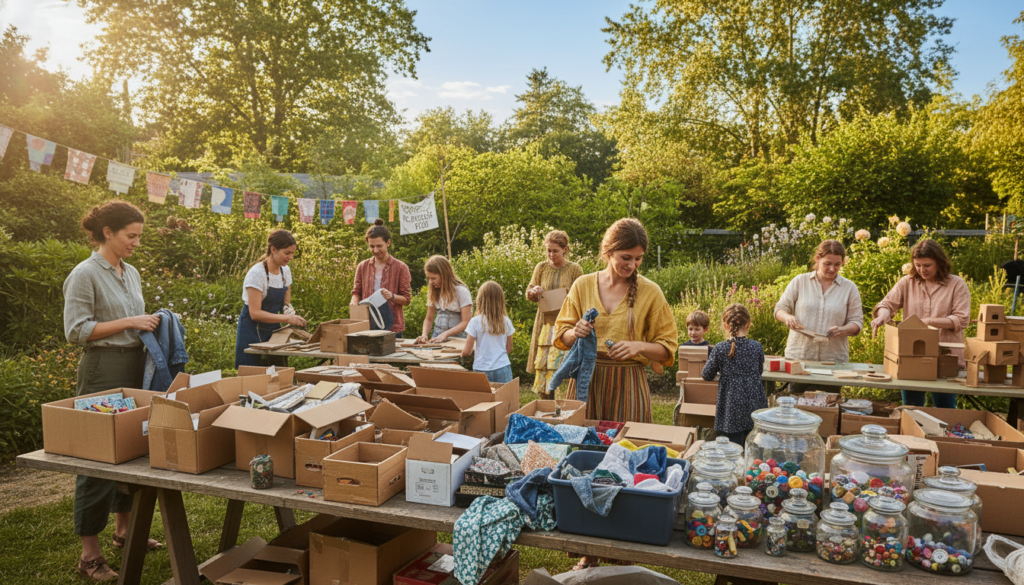
Finding Local Reuse Networks and Databases
Start local: nonprofit reuse centers, thrift-style ReStores, and All For Reuse maps help you locate nearby resources that accept donations or sell reclaimed pieces.
- Build Reuse is a national nonprofit leading recovery and reuse of building materials; check their site for partner info and regional contacts.
- Use online listings and local community boards instead of relying on a single phone contact to find current pickup or drop-off services.
- Building Resources in San Francisco and similar regional centers often list unusual items like stained glass, soapstone, and landscaping materials.
- If you need specific wood or flooring, search the All For Reuse ecosystem map or local reuse resources to find suppliers near your ZIP code.
- Hiring a deconstruction or salvage service can divert usable material from the landfill during renovation and save you time sourcing reclaimed pieces.
“I donate leftover tiles and fixtures whenever I can — it keeps great pieces in circulation and helps local builders.”
How to prepare items for donation: clean surfaces, remove loose hardware, label condition and dimensions, and bundle small pieces. For tax questions about donating materials, consult official IRS guidance or your tax advisor.
For a broader list of materials reuse resources, check local listings and the materials reuse resources website. Before using reclaimed items indoors, inspect for nails, mold, or lead glazes and follow cleaning best practices to make pieces safe for play and projects.
Conclusion
This guide gives practical ways to turn a simple box into lasting play and learning space in your home. Use these low-cost ideas to plan a weekend project that tests basic design skills, encourages movement, and sparks imagination.
I encourage you to choose reclaimed materials where possible — that choice supports recycling, lowers waste, and demonstrates the environmental benefits of smart material use to kids.
For more information and downloadable guides, visit our resource page to download the printable materials checklist and step-by-step project plans. Try one of these RECYCLED BUILDING ACTIVITIES this weekend, and remember to follow age-appropriate safety tips (adult supervision for cutting and hardware work).
FAQ
How can I turn a simple cardboard box into a durable fort for kids?
- Reinforce the base with extra cardboard or a lightweight plywood sheet for stability.
- Tape seams with strong packing tape and anchor corners with thin wooden dowels or heavy books.
- Have an adult cut windows and doors with a utility knife, then decorate with paint or markers.
What materials do I need to transform an old door into a safe playhouse door?
Are there simple upcycling projects using household fixtures for kids’ play spaces?
- Turn a small table top into a puppet stage by attaching a fabric curtain.
- Glue tile offcuts to a sturdy cardboard base for a pretend plaza.
- Use a removed light shade as a decorative canopy (remove wiring first).